
Fall is the most important maintenance season of the year. The jobs you do in September, October and November decide whether your home sails through winter or spends it battling ice dams, frozen pipes, drafts and a furnace that quits on the coldest night. And because the weather is still mild, fall is also the most comfortable time to work outside.
This fall home maintenance checklist covers 25 tasks, grouped by area, with tips on how to do each one and when. You don’t have to do everything in one weekend. Spread them over a few weeks, starting with the outdoor jobs while it’s still warm.
Quick answer: The most important fall tasks are cleaning gutters, shutting off and draining outdoor faucets, scheduling a furnace or heat pump tune-up, replacing the HVAC filter, sealing drafts around windows and doors, testing smoke and carbon monoxide alarms, and having your chimney inspected if you use a fireplace.
Outside the house
1. Clean the gutters and downspouts
Clogged gutters overflow, soak your foundation and can lead to ice dams in winter. Clean them after most of the leaves have fallen, and again later if you have many trees. Make sure downspouts carry water at least several feet away from the house. Use a sturdy ladder and have someone nearby, or hire a pro for tall or steep roofs.
2. Inspect the roof
From the ground with binoculars, or from a ladder if it’s safe, look for missing, curled or cracked shingles, damaged flashing around chimneys and vents, and sagging areas. Small repairs now are far cheaper than leaks in January.
3. Shut off and drain outdoor faucets
Disconnect, drain and store garden hoses. If you have interior shut-off valves for outdoor spigots, close them and open the outdoor faucet to drain any remaining water. This simple step prevents one of the most common causes of burst pipes.
4. Winterize the sprinkler system
Turn off the irrigation system and blow out the lines with compressed air, or hire a lawn care company, before the ground freezes.
5. Seal exterior gaps and cracks
Walk around the house and look for gaps around windows, doors, pipes, dryer vents and where siding meets trim. Seal them with exterior caulk. Besides stopping drafts and water, this keeps mice and insects out, and fall is exactly when they look for a warm place to spend the winter.
6. Check the foundation and grading
Look for new cracks in the foundation and make sure the soil slopes away from the house so water drains away. Fill low spots near the foundation with soil.
7. Trim trees and shrubs
Cut back branches that hang over the roof or touch siding. Heavy snow and ice can bring weak limbs down onto your house, power lines or car. For large trees or branches near power lines, call a professional arborist.
8. Clean and protect the deck and patio
Sweep away leaves, which can stain and trap moisture. Check for loose boards and protruding nails. If water soaks into the wood instead of beading up, plan to reseal it, ideally on a dry, mild day before temperatures drop too low for the product.
9. Store outdoor furniture and equipment
Clean and store patio furniture, cushions and grills, or cover them. Drain fuel or add stabilizer to gas-powered lawn equipment according to the manufacturer’s instructions, and get your snow blower ready.
10. Give the lawn some fall care
Rake or mulch fallen leaves so they don’t smother the grass. In many regions, fall is an ideal time to aerate, overseed and fertilize cool-season lawns. Keep mowing until the grass stops growing.

Heating and comfort
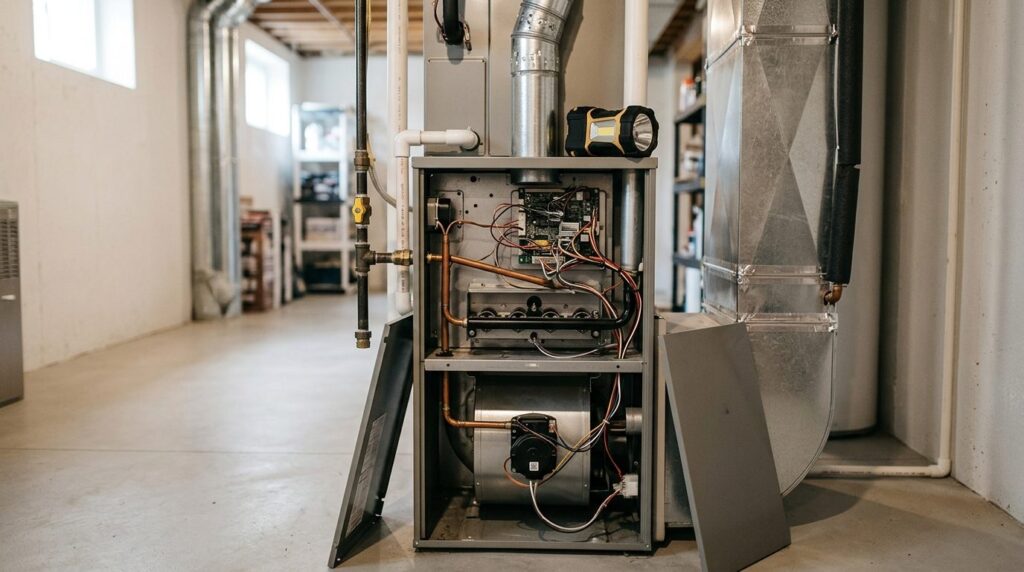
11. Schedule a furnace or heat pump tune-up
Book a professional inspection before the first cold snap, when HVAC companies are busiest. A technician can clean components, check safety controls and spot problems before they leave you without heat.
12. Replace the HVAC filter
Start the heating season with a fresh filter, and check it monthly. Most homes need a new filter every 1 to 3 months.
13. Test the heating system early
Turn on the heat on a cool day before you really need it. A burning dust smell for the first few minutes is normal. Strange noises, short cycling or no heat are worth investigating while it’s still mild.
14. Have the chimney inspected
If you use a fireplace or wood stove, the National Fire Protection Association recommends that chimneys, fireplaces and vents be inspected at least once a year. Creosote buildup can cause chimney fires. Check that the damper opens and closes and that the chimney cap is intact.
15. Reverse ceiling fans
Switch ceiling fans to run clockwise on a low speed in winter. This gently pushes warm air that collects near the ceiling back down into the room.
16. Clear vents and radiators
Make sure furniture, rugs and curtains aren’t blocking supply vents, return vents or radiators, so heat can circulate freely.
Inside the house
17. Test smoke and carbon monoxide alarms
Press the test button on every alarm, replace batteries as needed, and check the manufacture date. Smoke alarms should generally be replaced every 10 years, and carbon monoxide alarms according to the manufacturer’s guidance. Heating season is when CO risk rises, so make sure you have CO alarms near sleeping areas and on every level.
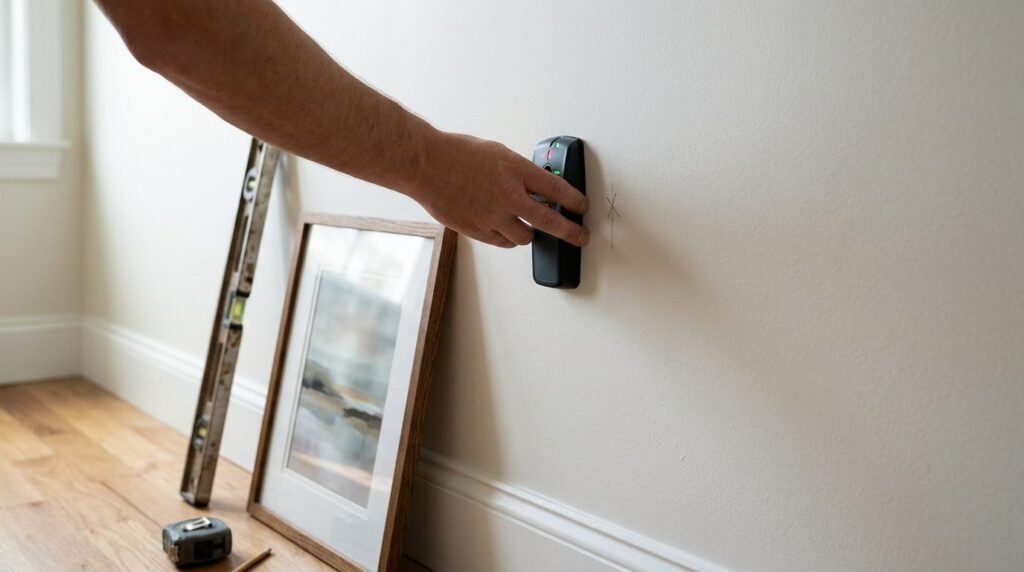
18. Seal drafts around windows and doors
On a windy day, hold a lit incense stick or a strip of tissue near window frames, door frames and outlets on exterior walls. If the smoke or tissue moves, you’ve found a draft. Add or replace weatherstripping, install door sweeps, and caulk gaps around trim.
19. Insulate exposed pipes
Wrap pipes in crawl spaces, attics, garages and along exterior walls with foam insulation sleeves to help prevent freezing.
20. Flush the water heater
Draining a few gallons, or doing a full flush, removes sediment that makes the heater less efficient and noisier. Many manufacturers recommend doing it once a year.
21. Clean the dryer vent
Lint buildup in the dryer duct is a fire hazard and makes drying take longer. Clean the lint trap every load, and clean the duct and exterior vent at least once a year.
22. Check attic insulation and ventilation
Look for thin or uneven insulation, damp spots or signs of pests. Good insulation keeps heat in your living space, and proper ventilation helps prevent ice dams and moisture problems.
23. Test the sump pump
If you have a sump pump, pour a bucket of water into the pit and make sure the pump turns on and drains it. Check that the discharge line outside is clear and won’t freeze.
24. Prepare an emergency kit
Winter storms can knock out power. Stock flashlights, batteries, a first-aid kit, water, nonperishable food, blankets and phone chargers. If you own a generator, test it and review safe use: never run one indoors, in a garage or near windows.
25. Deep clean before the house closes up
Once windows stay shut for the season, indoor air gets stale fast. Vacuum vents, wash bedding and curtains, clean the range hood filter, and vacuum refrigerator coils so your home starts winter fresh.
Fall maintenance timeline
| When | Focus | Key tasks |
|---|---|---|
| Early fall (September) | Outdoor repairs while it’s warm | Roof check, exterior caulking, deck sealing, tree trimming, furnace tune-up booking |
| Mid fall (October) | Heating and safety | HVAC filter, test heat, chimney inspection, smoke and CO alarm tests, draft sealing |
| Late fall (November) | Freeze protection | Final gutter cleaning, drain outdoor faucets and hoses, sprinkler blowout, pipe insulation |
Tools and supplies to have on hand
Gathering supplies before you start saves repeated trips to the hardware store. For most of this checklist you’ll want a sturdy extension ladder and a step ladder, work gloves, a gutter scoop, exterior and interior caulk with a caulk gun, weatherstripping and door sweeps, foam pipe insulation, replacement HVAC filters in the right size, batteries for smoke and CO alarms, a garden hose for flushing gutters and the water heater, and a flashlight. A simple notebook or phone note to record filter sizes, alarm dates and anything that needs a pro makes next year’s checklist even faster.
DIY or hire a pro?
Most of this list is easy DIY work. Consider hiring help for roof repairs, steep or high gutters, large tree work, chimney sweeping and inspection, HVAC tune-ups and anything involving gas or electrical systems. Spending a little on professional checks in the fall is far cheaper than an emergency call in the middle of a winter storm.
Safety note: Ladder falls are a leading cause of home injuries. Set your ladder on firm, level ground, keep three points of contact, never stand on the top rungs, and don’t work on a ladder in wind, rain or ice.
Frequently asked questions
When should I start fall home maintenance?
Start in early fall, while the weather is mild, with outdoor tasks like roof checks and caulking. Save freeze-protection jobs like draining outdoor faucets for just before the first hard freeze.
How often should gutters be cleaned?
At least twice a year, typically in late spring and late fall. Homes with many trees may need more frequent cleaning.
Do I really need a furnace tune-up every year?
Most manufacturers and HVAC pros recommend annual maintenance. It helps efficiency, safety and reliability, and some warranties require it.
What’s the single most important fall task?
For many homes, it’s protecting against water damage: clean gutters, drain outdoor faucets and insulate vulnerable pipes. Water causes some of the costliest winter repairs.
How do I find drafts in my house?
On a windy day, move a lit incense stick or a strip of tissue around window and door frames. If it flickers or moves, there’s a draft to seal.
The bottom line
A few weekends of fall maintenance protect your home from the biggest winter threats: water damage, frozen pipes, heating failures and drafts. Work outside first while it’s warm, then shift to heating, safety and freeze protection as the season cools. Print this list, check off each task, and you’ll head into winter ready for whatever the weather brings.