Heating is one of the biggest energy costs in most homes during winter, and your thermostat controls almost all of it. The right settings can keep your family comfortable while cutting your heating bill noticeably, without buying any new equipment. The wrong settings, or constantly fiddling with the temperature, can do the opposite.
This guide explains the best thermostat settings for winter, a simple schedule you can copy, how to adjust it for heat pumps, babies, pets and older family members, and a few common myths that cost people money every year.
Quick answer: Set your thermostat to about 68°F (20°C) when you’re home and awake, and lower it 7 to 10 degrees while you sleep or are away. According to the U.S. Department of Energy, turning your thermostat back 7 to 10 degrees for 8 hours a day can save up to about 10% a year on heating and cooling. Never set it below 55°F (13°C) in winter, to protect your pipes.
Why lowering the temperature saves money
Your home loses heat to the outdoors all the time, through walls, windows, the roof and air leaks. The bigger the difference between the indoor and outdoor temperature, the faster that heat escapes. When you lower your thermostat, the inside of your home gets closer to the outdoor temperature, so it loses heat more slowly, and your system runs less.
That’s also why a common belief is wrong: for most furnaces, letting the house cool down and then reheating it uses less energy than keeping it warm all day. The energy you “spend” reheating is less than the energy you saved while the temperature was lower.
The best winter thermostat schedule
Here’s a simple, effective schedule for a typical household with a gas or electric furnace. Adjust the times to match your routine.
| Time of day | Situation | Suggested setting |
|---|---|---|
| Morning (wake up) | Home and active | 68°F (20°C) |
| Daytime | Everyone away | 60 to 62°F (16 to 17°C) |
| Evening | Home and active | 68°F (20°C) |
| Night | Sleeping | 60 to 65°F (16 to 18°C) |
| Vacation | House empty | 55°F (13°C) minimum |
Schedule the warm-up to start about 30 minutes before you wake up or get home, so the house is comfortable when you need it.
The ideal temperature for sleeping
Many sleep experts suggest a bedroom temperature somewhere in the low to mid 60s Fahrenheit for good sleep, which happens to line up well with energy savings. Use warmer bedding, flannel sheets or an extra blanket instead of turning up the heat. If one family member runs cold, a heated mattress pad uses far less energy than heating the whole house.
Adjusting for your situation
Homes with heat pumps
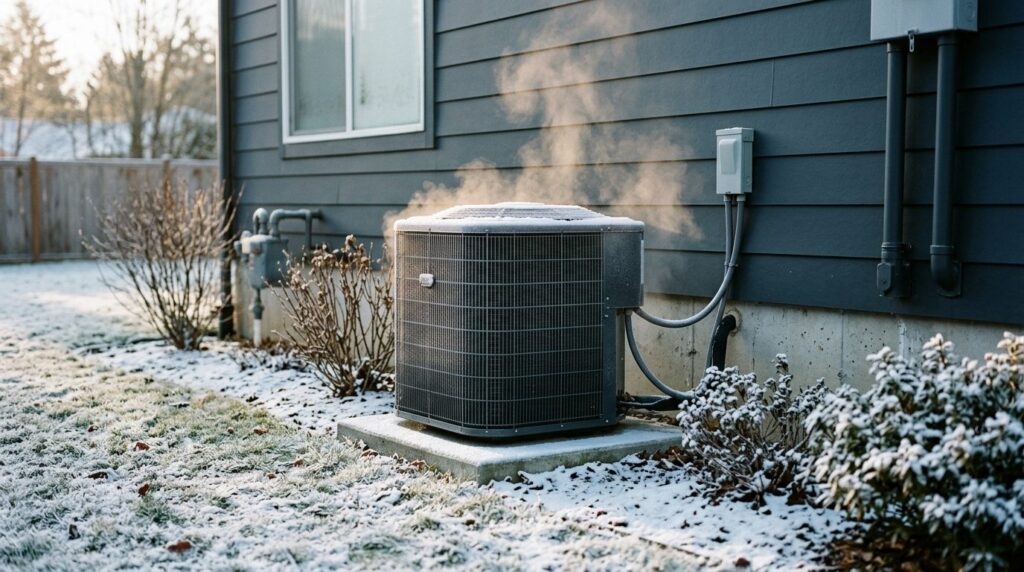
Heat pumps work best with small, steady changes. A large setback can trigger expensive auxiliary heat when the system tries to recover quickly in the morning. Keep setbacks to about 2 to 4 degrees, or use a thermostat with adaptive or smart recovery designed for heat pumps, which warms the house gradually using the heat pump instead of the backup strips.
Babies and young children
Infants can’t regulate their temperature as well as adults. Keep the nursery at a comfortable, stable temperature, follow your pediatrician’s guidance, and dress the baby appropriately rather than relying on heavy blankets in the crib.
Older adults and people with health conditions
Older adults and people with certain medical conditions may be more sensitive to cold. A warmer setting, often around 68 to 70°F during the day, may be more appropriate. Comfort and safety come before savings.
Pets
Most healthy dogs and cats handle a cooler house well, but small, short-haired, very young or older pets may need extra warmth. Leave a warm bed or blanket available, and don’t drop the temperature below about 60°F for long periods if your pet is sensitive to cold.
When you travel
Set the thermostat to around 55°F (13°C) or a little higher, not off. Turning the heat off completely risks frozen pipes, which can cause far more damage than you’d save.

Programmable vs. smart thermostats
A programmable thermostat lets you set a daily schedule so you don’t have to remember to change the temperature. It only saves money if you actually program it and leave the schedule alone.
A smart thermostat goes further. Depending on the model, it can learn your routine, adjust automatically when everyone leaves using your phone’s location, let you change settings from anywhere, show your energy use, and send alerts if your home gets too cold. Look for one that’s ENERGY STAR certified and compatible with your heating system. Many utilities offer rebates on smart thermostats, so check before you buy.
Pro tip: Install your thermostat on an interior wall, away from windows, doors, direct sunlight, lamps and heating vents. A thermostat in a sunny spot or near a drafty door will read the wrong temperature and run your system at the wrong times.
Common thermostat myths
Myth: Cranking the thermostat heats the house faster
Most furnaces deliver heat at the same rate no matter how high you set the thermostat. Setting it to 80°F won’t warm a cold house faster than setting it to 68°F. It just means the system keeps running past your comfort point and wastes energy.
Myth: It takes more energy to reheat a cold house
For most furnace systems, the savings from a lower temperature while you’re away or asleep outweigh the energy used to warm the house back up. Heat pumps are the main exception, and the fix is small setbacks or smart recovery.
Myth: Closing vents in unused rooms saves money
In many forced-air systems, closing vents increases pressure in the ductwork, which can reduce efficiency and push air out through duct leaks. It’s usually better to keep vents open and manage temperature with the thermostat.
More ways to stay warm and spend less
- Seal drafts around doors and windows with weatherstripping and caulk.
- Run ceiling fans clockwise on low to gently push warm air from the ceiling back down.
- Open curtains on sunny days to let in free solar heat, and close them at night to hold warmth in.
- Replace your furnace filter every 1 to 3 months for better airflow and efficiency.
- Keep humidity comfortable. Slightly humid air feels warmer. Many experts recommend keeping indoor humidity in roughly the 30 to 50% range to balance comfort and avoid moisture problems.
- Schedule an annual tune-up so your system runs at peak efficiency.
How to set up a winter schedule in 5 minutes
If you’ve never programmed your thermostat, or you set it up years ago and forgot about it, here’s a quick way to get a schedule running today.
- Write down your routine. Note when the first person wakes up, when the house empties on weekdays, when people get home and when everyone goes to bed. Weekends usually need a separate schedule.
- Pick two temperatures. Choose a “comfort” temperature for when you’re home and awake (start with 68°F) and a “setback” temperature for sleep and empty-house periods (start 7 to 10 degrees lower, or 2 to 4 degrees lower with a heat pump).
- Enter the time blocks. Most thermostats use four periods: Wake, Leave, Return and Sleep. Set each one to start about 30 minutes before you need the house warm.
- Set weekends separately. Many thermostats let you copy weekdays and then adjust Saturday and Sunday.
- Live with it for a week. Resist the urge to override it constantly. After a week, adjust a time or temperature by a degree or two if something feels off.
Signs your thermostat itself is the problem
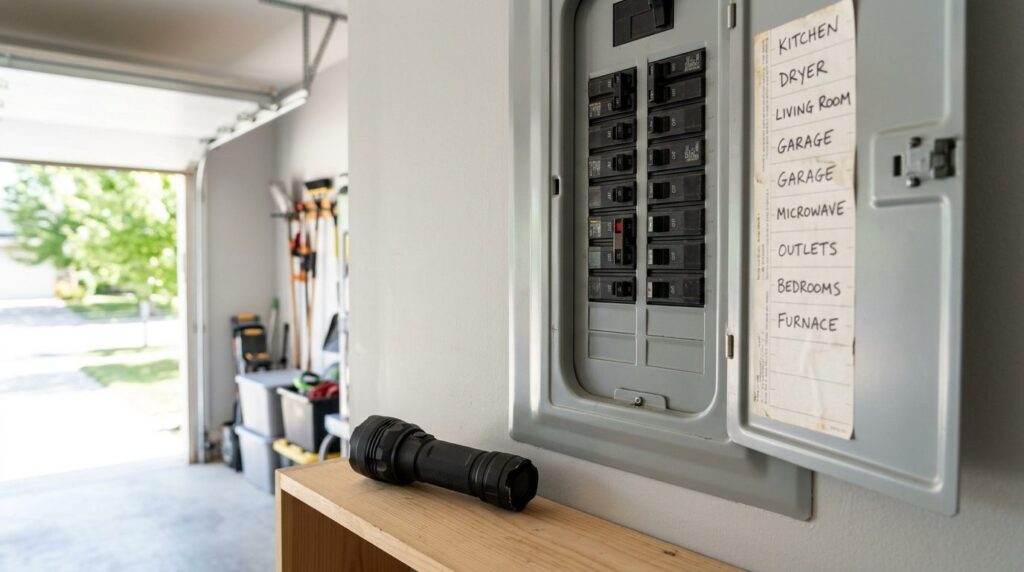
Sometimes high bills or uneven comfort aren’t about settings at all. Your thermostat may need attention if the screen is blank or flickering, the temperature it shows doesn’t match a reliable thermometer placed next to it, the heat turns on and off in very short cycles, or the system keeps running after the setpoint is reached. Start by replacing the batteries and gently cleaning dust from inside the cover. If the readings are still off, the thermostat may be badly located or failing, and replacing it is usually an affordable fix. If you’re installing a new one yourself, turn off power to the system at the breaker first and label the wires before disconnecting anything.
Zoned homes and multiple thermostats
If your home has more than one thermostat, each controls its own zone. Use that to your advantage: keep living areas at your comfort temperature in the evening and let bedrooms or a rarely used upstairs sit a few degrees cooler. Avoid setting neighboring zones very far apart, though, because the warmer zone will keep losing heat to the cooler one and run more than it needs to.
Frequently asked questions
What is the most energy-efficient thermostat setting in winter?
Around 68°F while you’re home and awake, with a lower setting while sleeping or away, is a widely recommended balance of comfort and efficiency.
Is 72°F too high for winter?
It’s not unsafe, and some households prefer it, but every degree higher increases heating costs. Try lowering it a degree at a time and adding a sweater; many people adjust quickly.
Should I turn the heat off when I leave for work?
Lower it rather than turning it off. A setback to the low 60s saves energy while keeping pipes safe and making recovery faster.
What’s the lowest safe temperature for a house in winter?
Keep it at 55°F or higher to reduce the risk of frozen pipes, and higher if anyone at home is vulnerable to cold.
Do smart thermostats really save money?
They can, mainly by automating setbacks you might otherwise forget. Savings depend on your climate, your system and how you used your old thermostat.
The bottom line
The best thermostat strategy for winter is simple: about 68°F when you’re home and awake, a 7 to 10 degree setback while you sleep or are away, and never below 55°F. Use smaller setbacks with a heat pump, put comfort first for babies, older adults and sensitive pets, and let a programmable or smart thermostat do the remembering for you. Combined with a few draft-sealing fixes, those settings can make a real dent in your winter energy bills.